
Diagnostics · Development · Impact measurement
Find the weak points in how your organisation
turns change into results.
The TORVAKO diagnostic shows where change stops. Developing people gets it moving.
- 1For individuals, teams, leadership and the whole organisation.
- 2It measures nine areas and compares them with the KPIs you already track.
- 3We verify the findings in interviews and rank them by impact.
- 4We follow up with people development and measure the impact.
Scope
9
areas where change stops
Speed
14 min
quick diagnostic, first findings immediately
Process
4 days
from briefing to a leadership decision
Benchmark
2 to 3
your KPIs the findings are measured against
How it works
From measurement
to results in four steps.
- 01Measure
- 02Verify
- 03Set up
- 04Evaluate
Each member of the leadership team completes the diagnostic alone, in 14 minutes. At the start we agree on 2 to 3 KPIs you already track, such as processing time, number of escalations or late orders. The result: where leadership agrees, where it does not, and what it costs in leadership hours, rework and at the customer.
For each weak point we ask one question: why does it end up with you? Is there nobody to decide, or are they not allowed to? Do they not want to, or do they not know how? What came out of the questionnaire but was not confirmed in the interviews does not go into the report. What was confirmed, we rank by its effect on your KPIs.
The report ends with first steps, and each one names who decides on it. If you wish, we continue with you for three months. We set out who decides what and who is responsible for what: in leadership, among managers, in teams and for individuals. And we develop the people who carry out the change: workshops with leadership, one-to-one work with managers, programmes for teams and individuals.
The same questions, the same people, the same numbers. You see what has moved and what has not. From here it starts again: a regular diagnostic once a year or after every major change.
Measure · what it costs and where
6 people · 96 leadership hours a year · weak points 36 and 41
9 areas · 2 below 50
Verify · after the interviews
2 findings confirmed · 1 struck out
6 interviews · 40 min
Set up · developing leadership, managers and teams
development plan for leadership, managers, teams and individuals
who decides
Evaluate · after three months
36 → 58 · 41 → 63 · late orders 14 → 6
9 areas · all above 50
What the studies show
Where does strategy get lost on the way to results?
73–77% → 13%
of leaders say they have a positive impact on project performance. Only 13% of people say that leadership decisions consistently shape their work.
Accenture, The Capital Projects Execution Gap, 2026
6% → 32%
of organisations achieve benefits without changing how work is done. When work is redesigned, it is 32%, which is 5.3 times more.
McKinsey, From Adoption to Impact, 2026
64% → 26%
of CEOs report AI pilots. Only 26% are embedding AI into a wider business transformation.
BCG, How CEOs Can Scale AI Value Across the Enterprise, 2026
45 questions · about 14 minutes
How quickly does your strategy reach everyday work and results?
In 45 short questions you will see where change stops in your organisation: nine areas from priorities and capacity to decisions and hand-offs.
Start the quick diagnostic →The result shows
From measurement to results
Measurement shows where to start. Developing people turns change into results.
We choose the forms of development based on the weak points. After three months, the same measurement shows the progress.
- 01 · DiagnosticTORVAKO change diagnostic
- 02 · Weak points by impactDecisions pile up at the topCross-team cooperation stallsPeople keep working the old way
- 03 · People developmentWorkshopsOnline micro-lessons1:1 developmentLearning on the jobDigital tools
- 04 · Evaluation after three months36 → 58 · 41 → 63
Three levels of performance
Performance is created at three levels
The organisation gives direction. Managers give their people room and support. People turn it into everyday work and results.
Do your people know what the new strategy means for their work?
A decision to change does not bring results by itself. People need to know what is now expected of them, what they can decide, who they work with and what they need to learn.
Open Organisations →What TORVAKO changes in the organisation
- Helps people understand what the new strategy means for their work
- Shows what stops people from seeing change through
- People know what they are responsible for and what they can decide
- Improves collaboration and hand-offs across the organisation
- Identifies the gap between current capabilities and future demands
- Shows why people are overloaded and where conflict comes from
- Gives people the clarity and support to handle new demands faster
- Checks whether changes actually reach decisions, work and results
Do your managers give their people the room and support to handle change?
Managers explain to their people what the strategy means for their work. They agree what is expected, remove obstacles and give people room to take ownership of the result.
Open Managers →TORVAKO develops managers’ ability to
- explain to people what matters now and why
- agree with people what they are responsible for and what they decide
- remove obstacles that slow down work and decisions
- give feedback, recognition and support
- connect collaboration and hand-offs across teams
- recognise the causes of overload, conflict and weak performance
- develop people’s skills as demands change
- give people the trust and room to make change their own
Can your people handle new demands in their everyday work?
People take ownership of their work when they know what is expected of them, can make their own decisions and see what their work is for.
Open Individuals →TORVAKO develops individuals’ ability to
- take ownership of their work and its results
- quickly learn what new demands require
- set priorities and make decisions independently, even during change
- adapt how they work to changing conditions
- collaborate and hand over work without unnecessary gaps and delays
- raise obstacles and risks openly
- develop in line with current and future demands
- look for better ways of working and contribute to continuous improvement
Experience
2,000+
managers and specialists trained in nine countries
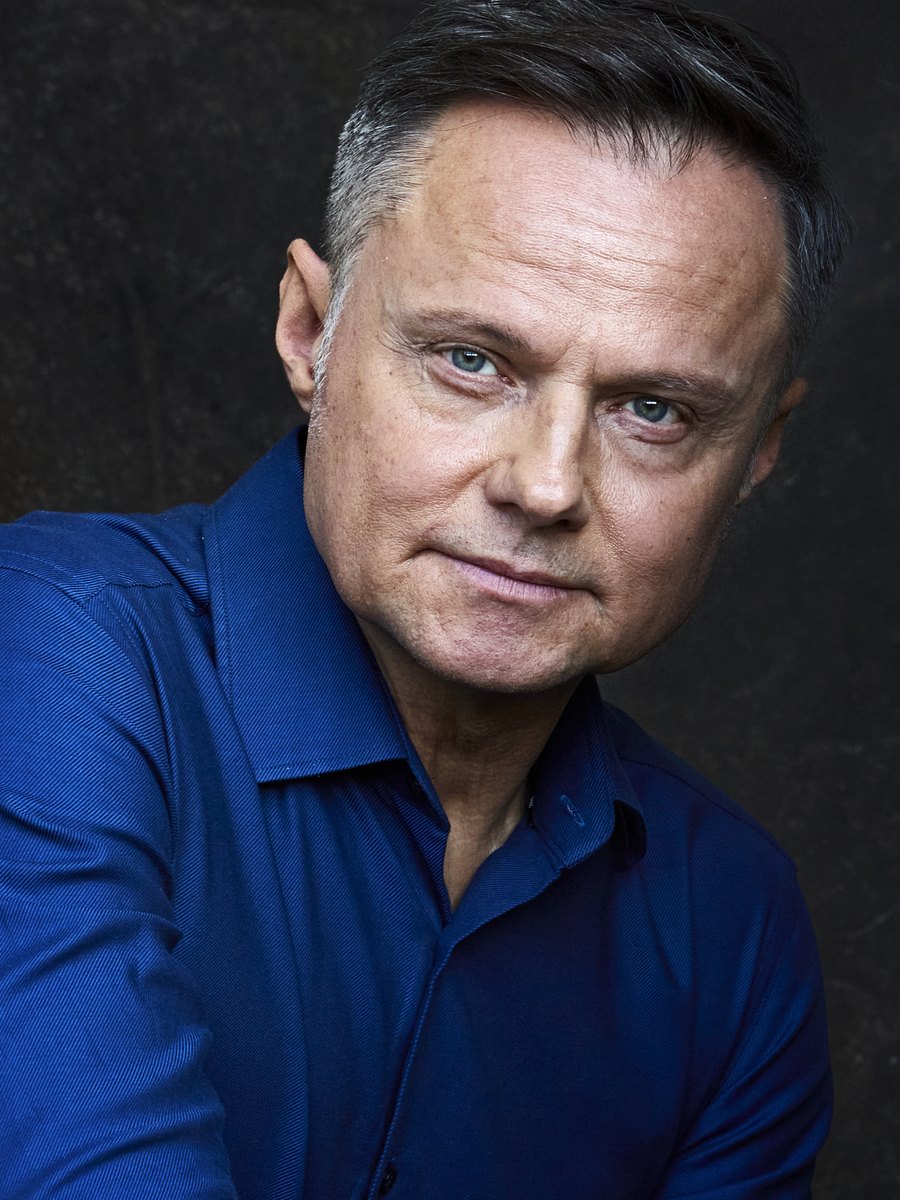 Dušan Sameliakfounder of TORVAKO
“Sales gained a structure we had not had before. The team started to think differently, collaboration improved and our relationship with clients moved towards partnership. It showed in our sales results.”
“The project ran across the CEE cluster and delivered one shared way of working, not a set of recommendations.”
“We were left with a system we can keep working with, not just a well-delivered training.”
Insights
Follow what is changing and how organisations will work tomorrow
We share research, observations and practical experience on strategy, decision-making, changing ways of working and future demands. The conversation happens on LinkedIn.
FAQ
Frequently asked questions
Showing 14 of 14
Not sure where to start?
Write to us or book a short introductory call. Together we will define what you need to change and where it makes sense to start.
Book a meeting →There is no answer for this word. Try another one or ask us directly.
We start where the biggest obstacle lies between what you want to achieve and how work actually happens. It may be in what is expected of people, in the support they get from managers or in what they need to be able to do. Together we decide where change will have the greatest impact.
Yes. A specific team or part of the organisation lets us understand the situation quickly, test the solution in practice and evaluate its benefit. Based on the results, you decide whether and where to continue.
No. We start with what you need to achieve and what has to change. We use the diagnostic where we need a more precise picture of the current state, to uncover obstacles and to choose the right next step.
We compare strategic demands with how the organisation actually works. We ask people whether they know what is expected of them, what support they get, what they can do, how much time they have and how they work together across the organisation. The result is a clearer picture of where change loses speed or effectiveness.
It measures how quickly and how well changing demands reach everyday work. Across nine areas we measure Effectiveness, meaning how well the conditions support people in their work, and Commitment, meaning how willingly people carry change. We add the expected development of demands over the next two years and role lag: how long it takes for a change in strategy to show in work.
The time and the gap between a change in strategy and the moment roles change with it: what is expected of people, what they decide, who they work with and what they can do. The diagnostic measures it with two questions and by comparing today’s readiness with the demands of the next two years.
We do not assess people or their personalities. We measure the conditions the organisation creates and how quickly change reaches work within them. The result shows what will help people, not who performs well or badly.
Yes. Besides today’s state, for each area we ask how demands will change over the next two years. We ask what your environment will require, not what you would like. This shows where today’s readiness may not be enough.
The next step depends on where the gap between required and current functioning lies. It may be clearer roles, better support from leadership, collaboration across the organisation or targeted development of people.
When new or future demands require different capabilities, decisions or ways of working. We focus development on the specific situations and capabilities people need in their everyday work.
The scope depends on the situation you are dealing with and the result you want. We can start with a specific part of the organisation and continue based on the findings. The collaboration follows five steps: direction, reality, change, delivery and impact. Scope, time and people’s involvement are agreed in advance.
Depending on the brief, you get a picture of the current state and future demands, the main obstacles and change priorities, specific recommendations for roles, leadership and people development, and indicators for tracking change and its impact.
We track how change reaches decisions, ways of working, collaboration and selected results. Depending on the brief, this may include decision speed, the number of escalations, overload, productivity, quality of collaboration or specific operational and commercial indicators.
Decisions and the removal of obstacles change first, which is visible within weeks. Clearer roles, collaboration and new capabilities show within months. What we track and when we evaluate it is agreed in advance.

Is your organisation keeping pace with what is changing?
Book a meeting30 minutes · free · online or at your office