
Barings collapsed on a Sunday. By Monday morning the market had the name of the culprit. The report on who had actually managed that role came eighteen months later and ran to three hundred and fifty pages.
In February 1995 Barings collapsed. A merchant bank two hundred and thirty-three years old, a loss of eight hundred and twenty-seven million pounds, a sale for one pound.
The explanation was ready before the accounts were closed. Parliament heard that this was an incident unique to Barings, centred on a single rogue trader in Singapore.
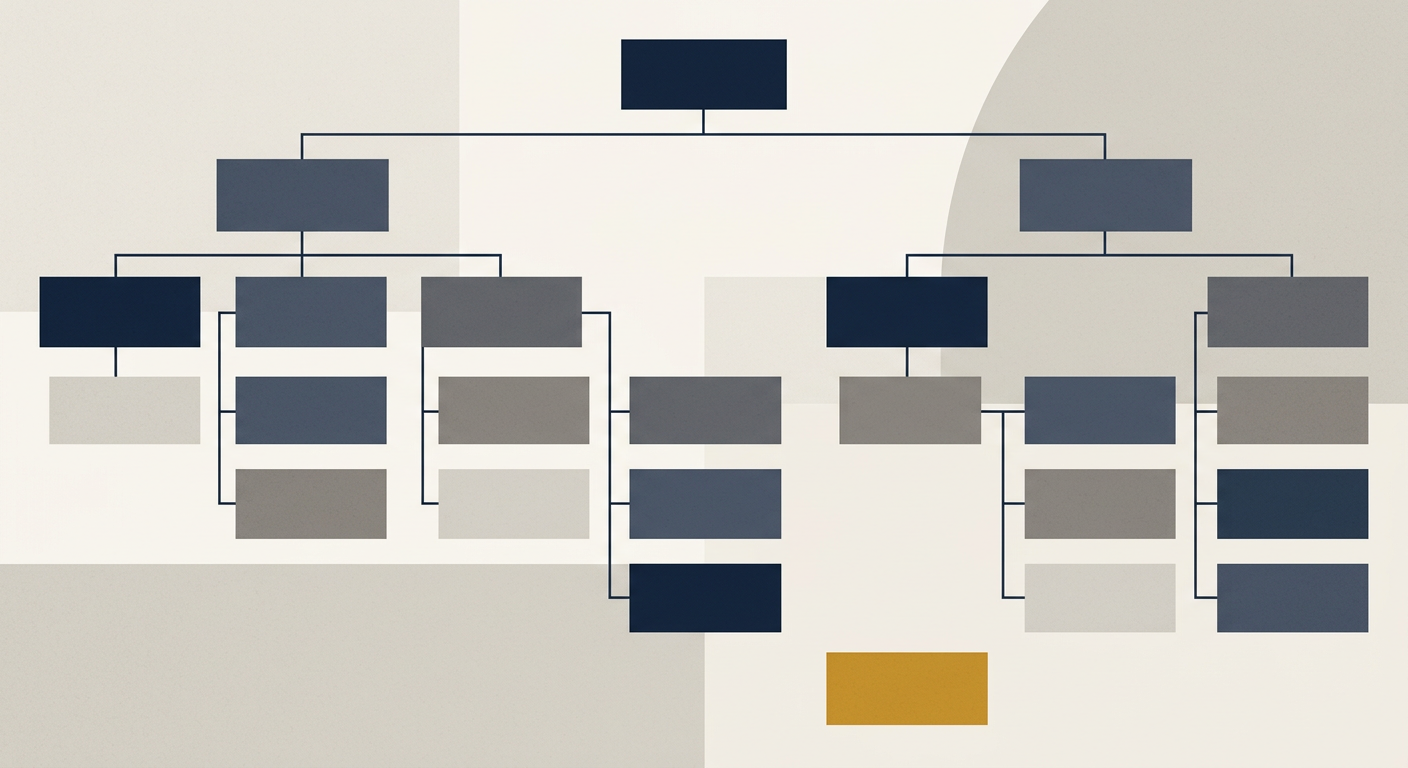
That explanation was true. Nick Leeson really had traded without authorisation for two and a half years and really had hidden his losses in an account that nobody in London wanted to know about.
In July 1995 the Board of Banking Supervision inquiry presented Parliament with a report of three hundred and fifty pages.1 It asked a different question: who was managing Leeson, rather than what he had done.
The report documented that Leeson was at the same time a trader and the head of the unit that processed his own paperwork. In 1994 internal audit recommended separating the two. Barings did not implement the recommendation.1
And then in paragraph 7.9 there is the sentence that makes the report worth opening. Nobody in management accepted responsibility for Leeson’s activity from October 1993 to January 1995.1
Continue reading
Read the full article for free
Enter your email and the full article opens straight away. No payment, just a subscription to TORVAKO Insights.
- Full articles with all the sources they draw on
- Once a month, an overview of new articles and one story from practice
- You will be the first to receive TORVAKO study results
Already a subscriber? Enter your email and the article will unlock on this device too.


